The Rectus Abdominis: The Muscle Behind the "Six-Pack"
- Karen Jones
- 6 days ago
- 2 min read

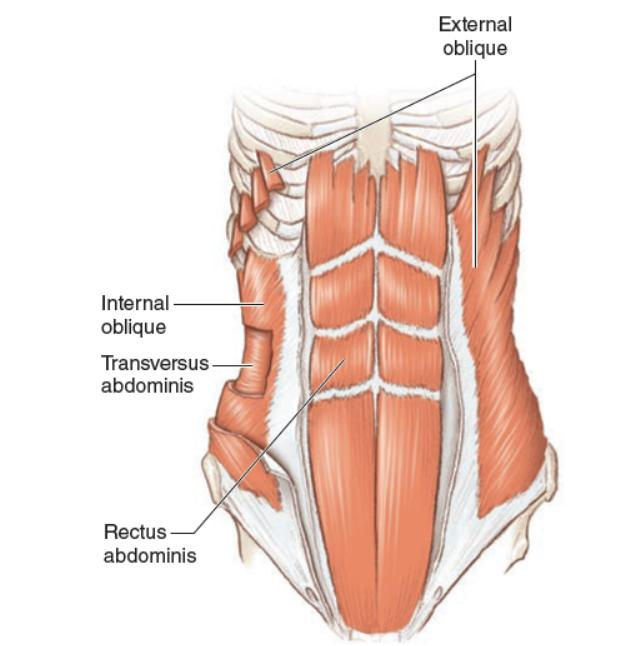
When most people think about abdominal muscles, the rectus abdominis is the first one that comes to mind. Often called the "six-pack" muscle, it is the most recognizable muscle of the core. While many people associate it with a toned midsection, the rectus abdominis does much more than improve appearance. It plays an essential role in posture, movement, breathing, and protecting your spine.
The rectus abdominis is the outermost muscle on the front of your abdomen. It consists of two long, parallel muscles that run vertically from your pelvis to your rib cage, separated by a band of connective tissue called the linea alba.
The muscle is divided into sections by bands of connective tissue known as tendinous intersections, creating the familiar "six-pack" appearance in individuals with low body fat. Depending on genetics, some people naturally have a four-pack, six-pack, or even an eight-pack.
Although it is the most visible abdominal muscle, the rectus abdominis is only one part of a much larger core system that also includes the transverse abdominis, internal obliques, external obliques, diaphragm, pelvic floor, and back muscles.
What Is the Purpose of the Rectus Abdominis?
The rectus abdominis has several important jobs that extend far beyond aesthetics.
Trunk Flexion
Its primary function is to bend the trunk forward, a movement known as trunk flexion.
This occurs when you:
Perform a crunch or sit-up
Sit up from bed
Bend forward to tie your shoes
Lean over to pick something up
Stabilizing the Pelvis
The rectus abdominis helps maintain proper pelvic alignment by working with the glutes, hamstrings, and deeper core muscles. This contributes to better posture and more efficient movement.
Supporting the Spine
Working together with the transverse abdominis and obliques, the rectus abdominis helps support the lumbar spine and protect it during lifting, bending, and everyday activities.
Assisting with Breathing
The rectus abdominis assists with forced exhalation, helping during activities such as coughing, sneezing, laughing, singing, and vigorous exercise.
Can You Really Target the "Lower Abs"?
One of the most common questions in fitness is, "How do I work my lower abs?"
The answer is both yes and no.
The rectus abdominis is one continuous muscle on each side of the abdomen. It does not have separate upper and lower muscles that can be isolated.
However, certain exercises emphasize different portions of the muscle because of the direction of movement and how the pelvis moves during the exercise.
For example:
Crunches tend to emphasize the upper portion of the rectus abdominis.
Reverse crunches, knee raises, and leg raises often create greater activation in the lower portion because they involve lifting or tilting the pelvis.
Even so, the entire muscle contracts together.
It's also important to remember that visible "lower abs" are influenced primarily by overall body fat percentage, nutrition, and genetics—not by performing hundreds of lower-ab exercises.
In the next blog, I will put anatomy into action by exploring the best exercises for strengthening the rectus abdominis. You'll learn how to train this muscle safely and effectively while improving both core strength and everyday function.


Comments