The Obliques: The Muscles That Keep You Twisting, Turning, and Standing Strong
- Karen Jones
- Jul 9
- 2 min read


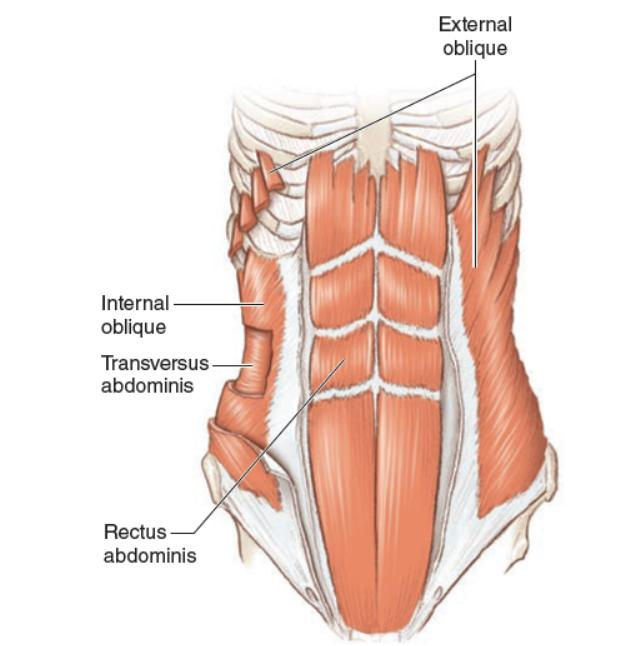
Located above the TVA, the internal and external obliques form the next layers of the abdominal wall.
The external and internal obliques, situated along the sides of your abdomen, work together to help you twist, bend, stabilize, and protect your spine. Whether you're reaching for a seatbelt, swinging a golf club, carrying groceries, or simply walking, your obliques are hard at work.
The external obliques are the outermost muscles along the sides of the abdomen. Beneath them lie the internal obliques, whose muscle fibers run in the opposite direction. Together, these two layers form a crisscross pattern that provides rotational strength, side bending, and exceptional stability for the spine and pelvis.
The obliques are responsible for much more than creating a toned waistline.
Rotation
One of their primary jobs is rotating the trunk.
When you turn to look behind you, swing a tennis racket, throw a baseball, or reach across your body, your obliques are generating and controlling that movement.
Side Bending
The obliques help bend the torso from side to side.
This movement is used every day when reaching for something beside you or stretching during exercise.
Core Stability
Perhaps their most important role is stabilizing the spine and pelvis.
The obliques work together with the transverse abdominis, rectus abdominis, diaphragm, pelvic floor, and back muscles to form a strong, protective cylinder around the trunk.
This stability reduces stress on the lower back and improves balance during movement.
Posture
Strong obliques help maintain proper posture by preventing excessive side-to-side movement and supporting spinal alignment.
Breathing
The obliques assist with forceful exhalation during coughing, sneezing, laughing, and vigorous exercise.
In the next blog post, I will explore exercises that specifically target the obliques. You will learn how to strengthen these important muscles through movements that improve rotation, stability, balance, and overall core strength.


Comments