The Transverse Abdominis: Your Body's Natural Corset
- Karen Jones
- Jun 18
- 3 min read


When most people think about abdominal muscles, they picture the "six-pack" muscle that runs down the front of the stomach. However, one of the most important muscles for core strength isn't visible at all. Hidden beneath the surface lies the transverse abdominis (TVA), the deepest of the abdominal muscles and the true foundation of a strong core.
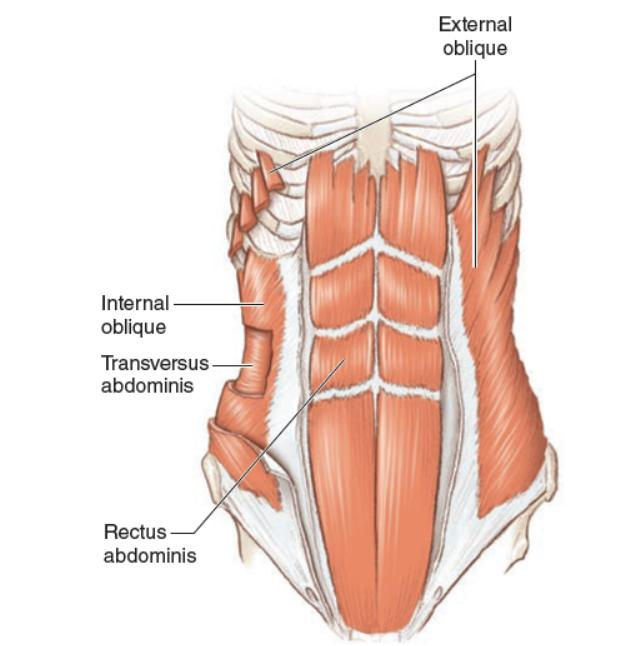
The transverse abdominis is the deepest layer of the abdominal wall. It sits underneath the rectus abdominis and the internal and external oblique muscles. Because it lies so deep within the torso, you cannot see it from the outside, but it is constantly working to stabilize and support your body.
Unlike the rectus abdominis, whose fibers run vertically, the fibers of the transverse abdominis run horizontally. This unique fiber direction allows the muscle to wrap around the torso like a wide belt or corset. Imagine putting on a supportive belt and gently tightening it around your waist. That is very similar to the action of the TVA when it contracts. The muscle pulls inward from all sides, creating tension around the abdominal cavity and helping stabilize the spine. That is why fitness professionals refer to the TVA as the body's natural corset.
The primary function of the TVA is stabilization rather than movement. While other abdominal muscles help bend, twist, and rotate the body, the TVA focuses on creating a stable foundation for movement.
Spinal Support
One of the TVA's most important jobs is supporting the lumbar spine. When the TVA contracts, it increases intra-abdominal pressure, helping protect the spine during movement and lifting activities.
Pelvic Stability
The TVA works closely with the muscles of the pelvis to maintain proper alignment and control. This support is important for walking, running, balancing, and everyday movements.
Improved Posture
A properly functioning TVA helps maintain good posture by supporting the spine from the inside out. Weakness in this muscle can contribute to slouching, poor alignment, and lower back discomfort.
Efficient Movement
Research has shown that the TVA activates before many arm and leg movements. This early activation creates a stable base from which the body can move efficiently and safely.
Breathing
The TVA also works together with the diaphragm, pelvic floor, and other core muscles to support breathing and regulate pressure within the abdominal cavity.
Why Strengthening the TVA Matters
Many people focus on crunches and sit-ups in hopes of building stronger abdominal muscles. While those exercises can strengthen the rectus abdominis, true core strength begins with the TVA.
A strong TVA can help:
Improve balance and stability
Support healthy posture
Reduce the risk of lower back pain
Improve athletic performance
Enhance overall movement efficiency
Activities such as yoga, Pilates, functional strength training, planks, bird dogs, dead bugs, and controlled breathing exercises can all help activate and strengthen the TVA.
Final Thoughts
The transverse abdominis may not be the most visible abdominal muscle, but it is arguably one of the most important. Acting like a natural corset, it wraps around the body to stabilize the spine, support the pelvis, improve posture, and create the foundation for efficient movement.
When it comes to building a strong core, don't focus only on what you can see. The real strength starts deep within, and the transverse abdominis is where that foundation begins.
Stay Tuned!
In my next post, I will list some of the best exercises for the TVA.


Comments